Preview what’s New at Nintex. Don’t miss the Quarterly Innovation Update

Skip to content
eBook

The connected employee experience playbook

  1. / Home
  2. / Resources
  3. /

eBook

The connected employee experience playbook

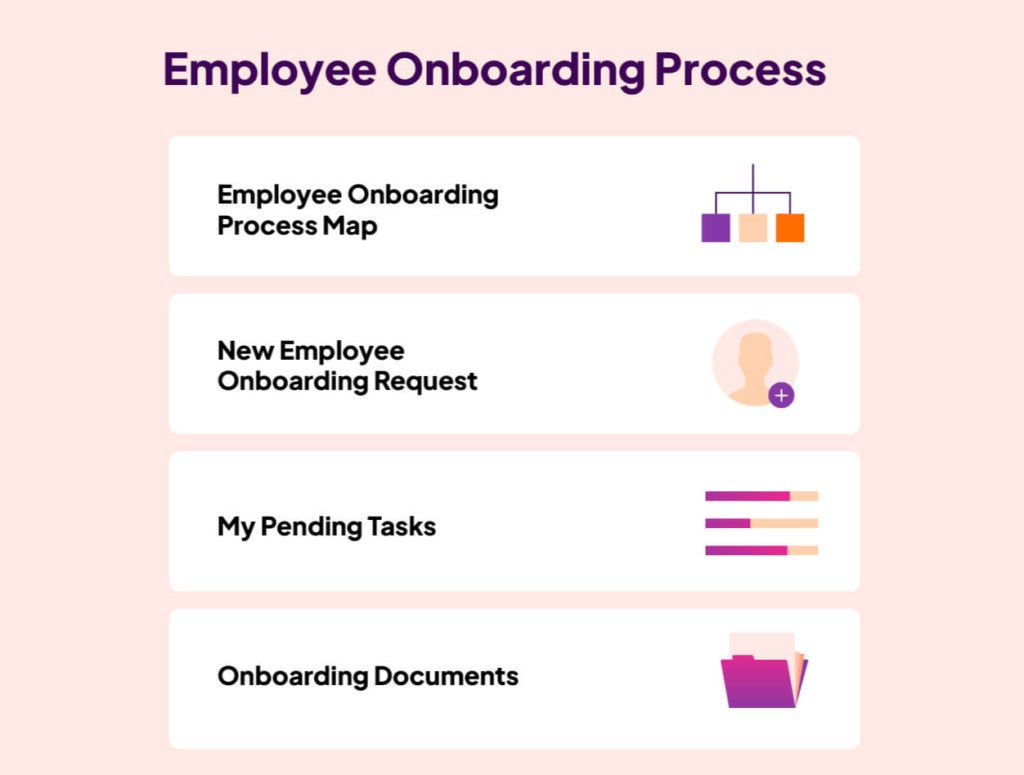
The employee onboarding process - from the initial onboarding request, to tasks and onboarding documents.

Picture a typical onboarding experience at your organization from a new hire’s perspective.

Three weeks before start date:

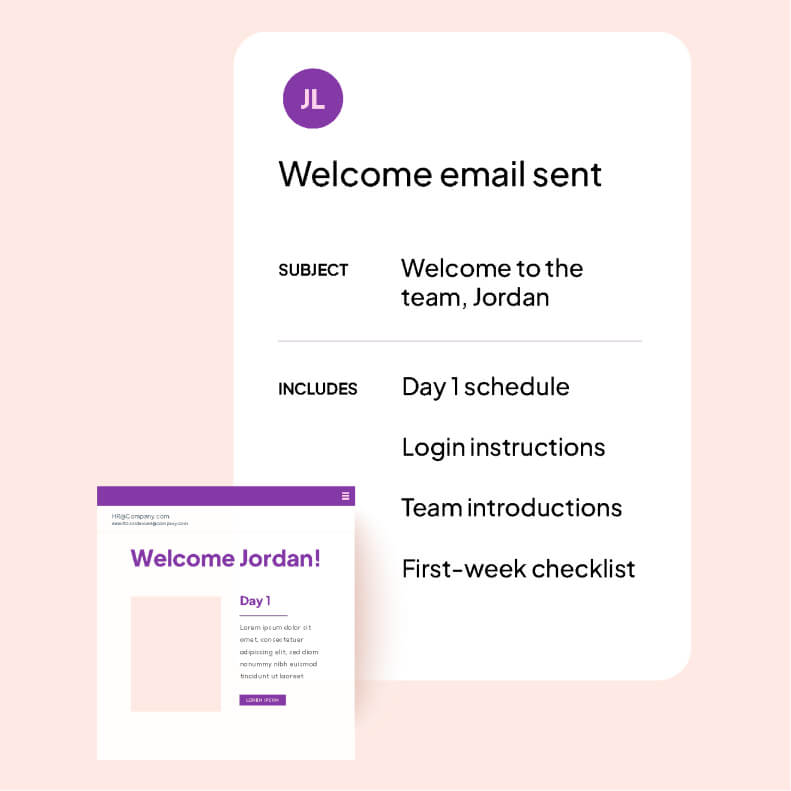
A candidate accepts their offer, and they’re thrilled. Then … crickets until a welcome email arrives the Friday before. HR did their part, technically, but the new hire spent those three weeks a little anxious, maybe even second-guessing their decision.

Day one:

Their laptop isn’t set up yet, so they sit for an hour watching everyone else work. Their manager is in back-to-back meetings all morning, so a teammate walks them to the bathrooms. They get little else in the way of training.

Day three:

The new hire has finished benefits enrollment and sat through compliance training but still doesn’t have access to the one system they need to do their job. No matter how kind their colleagues are, they don’t feel like they have a place here. Instead of early momentum, they feel like maybe they made the wrong call.

After the first week:

Nothing went wrong from the organization’s perspective. HR sent the welcome email. IT eventually provisioned the laptop. Every task was completed by someone, but on their own timeline, in their own system.

And that’s the problem with onboarding at many organizations.

Each department can point to their piece and say it worked. But the new hire experienced an organization that hadn’t gotten its act together before they joined — right when they were most looking for a reason to feel confident in their decision.

Onboarding can be perceived completely differently depending on whose perspective you’re viewing from, so many organizations don’t consider it a priority problem to solve. But disconnected onboarding comes with hidden costs, from both an employee experience standpoint and a financial health standpoint.

72

%

want one-on-one time with their manager*

57

%

want to build relationships with coworkers*

54

%

want to understand company culture and values*

51

%

want to simply feel welcomed as part of the team*

Chapter 1

Why connected onboarding matters

Your internal teams tend to measure onboarding success by tactic. The paperwork was filed, the equipment was ordered, and the compliance training got completed. Check, check, check.

But employees measure it differently. When asked what they really want when joining a new organization, the list has almost nothing to do with tactics.

None of that shows up on a checklist. Yet 58% of organizations still build onboarding primarily around tactics rather than people.

*source: firstHR

The stakes are higher than most companies assume:

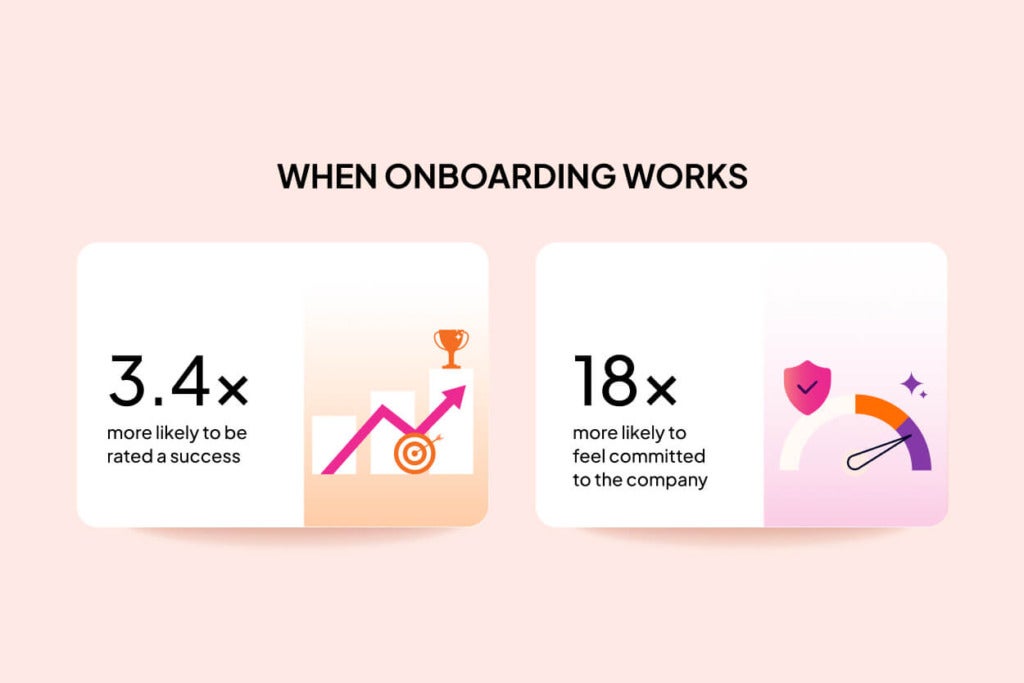
When employee onboarding works - new hires are 3.4x times likely to be rated a success and 18x more likely to feel committed to the company.

Two failure points show up consistently in employee feedback:

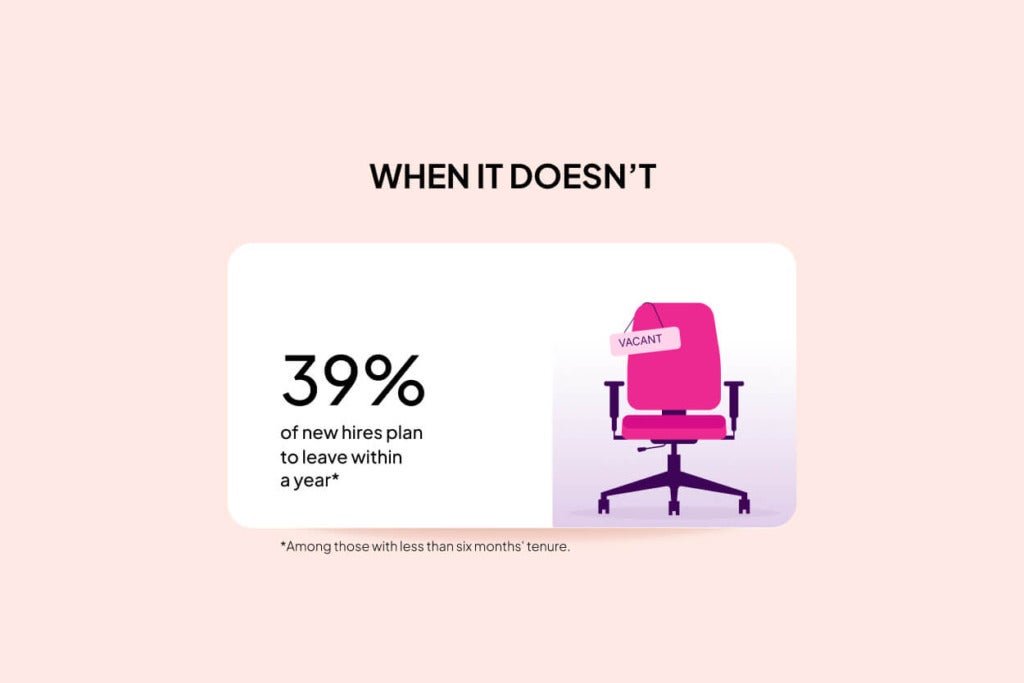
When employee onboarding doesn't work - 39% of employees plan to leave the company within one year.

1. The gap between offer and start date

Internal workflows fire off notifications to IT and hiring managers while the candidate hears nothing for weeks — exactly the wrong note to strike while you’re trying to keep them excited about joining. A short, automated check-in during that window costs almost nothing to set up.

2. Training that doesn’t match the moment

More than half of new hires feel undertrained after onboarding, and over a fifth of those who leave within six months cite weak training as a factor. The fix usually isn’t more training but better-sequenced training, delivered automatically by role or milestone instead of all at once in week one.

New employees have no insight into your org chart or what’s happening behind the scenes. They only know whether the organization felt like it was working with them, or whether they were left to stitch the experience together themselves.

Chapter 2

How to identify a disconnected onboarding experience with four questions

If you’re like most HR leaders, you believe wholeheartedly that onboarding matters. But you likely don’t have much visibility into the parts of the experience that fall outside your department’s purview. So, knowing whether your experience is truly connected — if IT, HR, and hiring managers are working from one truly coordinated sequence instead of three separate to-do lists — can be difficult.

Most leaders evaluate onboarding the way each department experiences it: task by task. But new hires evaluate it the only way they can — as one continuous experience, with every gap in plain view, in the moments when they’re least equipped to give the organization the benefit of the doubt.

Without an automated structure connecting those owners, each optimizes for their own piece, and nobody owns the whole experience as a new hire perceives it. But if you only have insight into what’s happening in your own department, you may struggle to figure out just how connected or disconnected your experience is.

When this is the case, look for the four patterns that show up again and again in organizations with a disconnected onboarding experience.

How disconnected is your new employee experience? Find out in four questions.

On day 1, new hires want to meet their manager, build relationships, and get a feel for the culture.

01

How does a new hire spend their first day on the job?

Disconnected organizations often spend day one on the wrong thing. New hires want to meet their manager, build relationships, and get a feel for the culture. If your organization builds day one around paperwork and compliance, it’s time to rethink. That’s work that can, and should, happen automatically before your new employee’s first day.

Your onboarding processes are your new hire's first window into how the organization operates.

02

What’s holding your onboarding process together?

Your onboarding processes need real structure. Because they’re generally a new hire’s first window into how the organization operates, an inconsistent process sends its own message: this company lacks the clarity and foundation to support my success here.

Don't build information silos nobody can monitor as a whole. Steps get missed not from anyone's mistake, but because no one has visibility into the full process.

03

How much of onboarding is built on manual workflows and spreadsheets?

And how much visibility do you have into those, if any? When each department tracks its own piece in its own tool, the organization unintentionally builds information silos nobody can monitor as a whole. Steps get missed not from anyone’s mistake, but because no one has visibility into the full process.

Get feedback from the person who just lived through your onboarding experience. Without knowing how new hires experience your onboarding, the same gaps and mistakes are likely to get built into the hiring process.

04

Does anyone close the onboarding loop with your new hires?

Once the paperwork’s filed and the badge is issued, most organizations move on without getting feedback from the person who just lived through it. Without knowing how new hires experience your onboarding, the same gaps and mistakes are likely to get built into every new hire’s first weeks, cohort after cohort.

These four patterns point to structural gaps no department can solve alone. Effective onboarding combines personal, administrative, compliance-driven, and region-specific tasks into one seamless motion, with different pieces naturally owned by different teams: IT provisions access, HR manages paperwork, and hiring managers own the welcome experience.

The fix isn’t more effort from any one department. It’s connecting the tasks each department is already doing into one orchestrated process that begins the moment a hire is confirmed.

Chapter 3

Building a connected onboarding experience: 6 ways to stay on track

Fixing a disconnected process starts with taking the time to determine what you’re doing now and sequencing those tasks so they’re working together rather than separately.

Six best practices for a better-connected employee experience

1. Start when the offer letter is signed

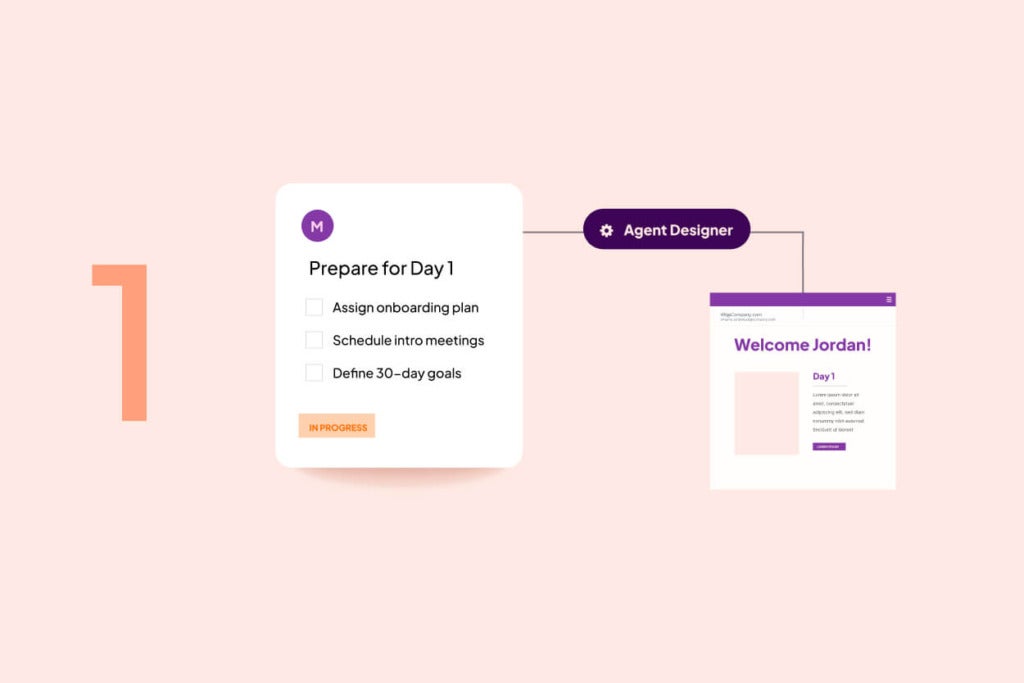
Onboarding begins the moment an offer is accepted. Handle compliance and admin tasks digitally during that window between when your new hire accepts and starts, so day one isn’t the first time any of it gets touched.

2. Make day one about culture, not compliance

If preboarding did its job, day one can be about comfort and connection instead: A ready desk, an assigned buddy, and quality time with a manager.

3. Give the onboarding process enough time

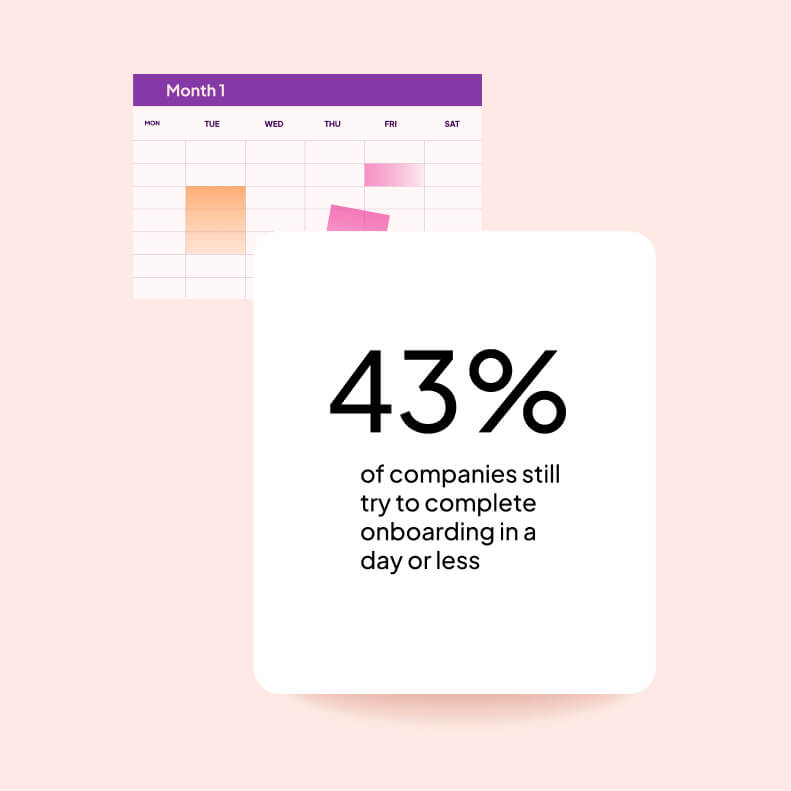
Most HR experts put the effective window at around 90 days, with check-ins through the first year — yet 43% of companies still try to complete onboarding in a day or less.

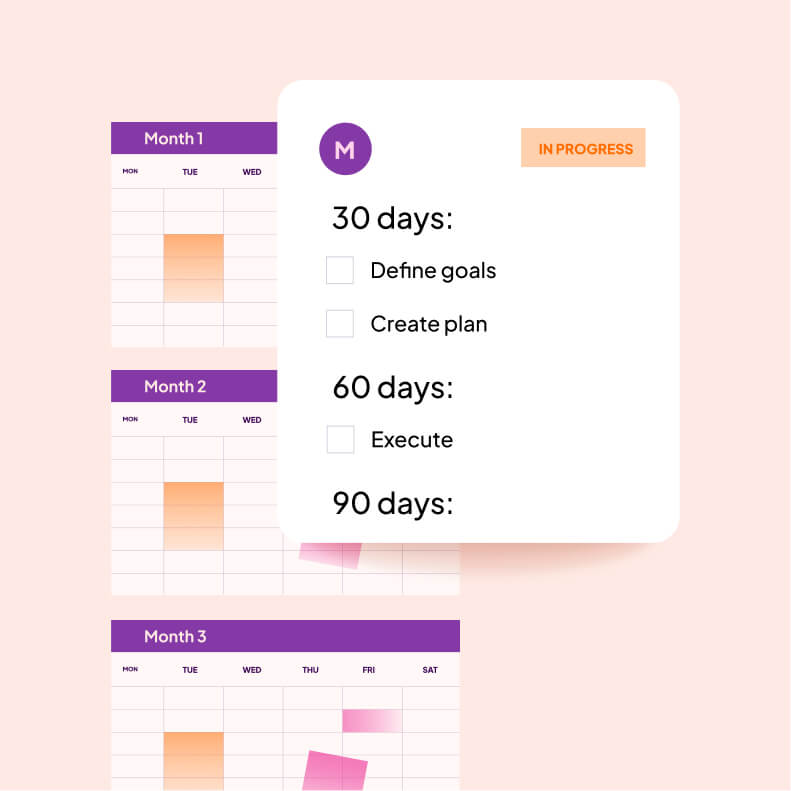
4. Set clear 30/60/90 expectations

New hires need defined, realistic goals to measure their own progress, and they need their organization to follow up on those goals at the right time. Reaching full productivity takes most employees about a year, longer in complex roles.

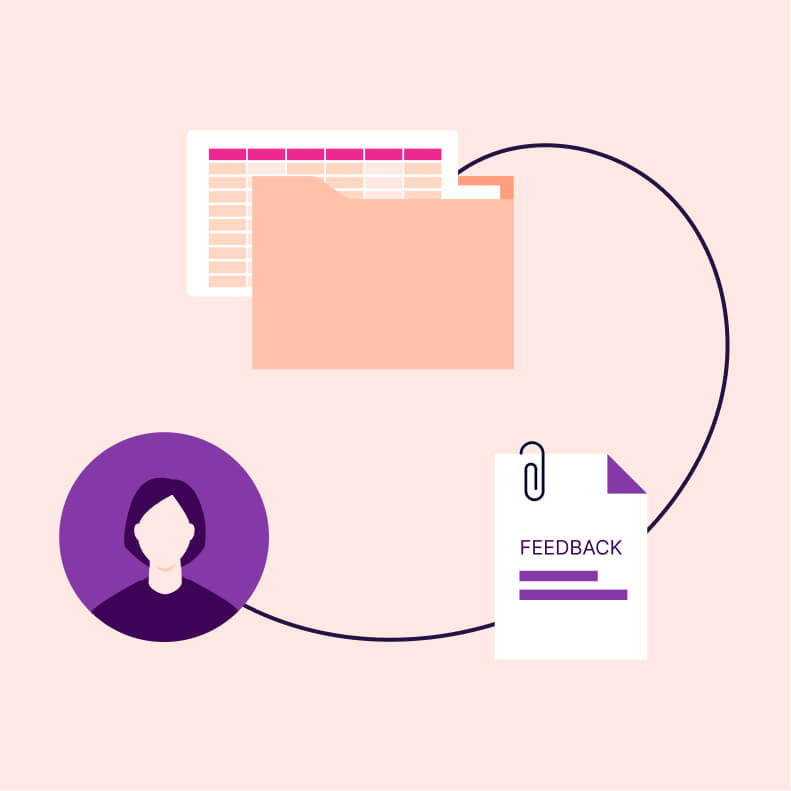
5. Use feedback to keep improving

No onboarding process, even the most connected, is perfect on the first try. Build in a real feedback loop so the process sharpens with every new hire cohort.

6. Automate for consistency, not for speed

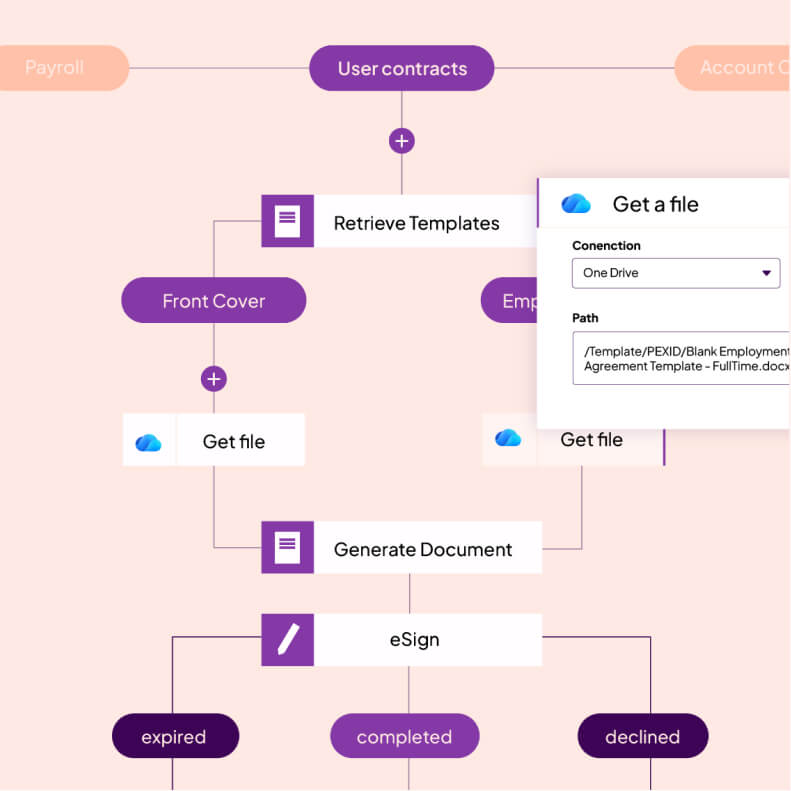
Manually coordinated onboarding depends on someone remembering every step, which breaks the moment volume increases. Orchestrated workflows give every new hire the same sequence, triggered automatically the moment a hire is confirmed.

This is also where the right platform starts to matter. An AI-driven orchestration platform — one built to unite people, systems, and AI agents across departments rather than automating single tasks in isolation — is what lets HR, IT, and hiring managers all work off the same coordinated sequence instead of separate to-do lists.

Organizations using a platform approach have cut document signature turnaround by 75% and saved more than 40 hours of manual work per new hire. That’s all time that goes back into the parts of onboarding that require a person: The manager conversations, the team introductions, and the feelings of genuine belonging.

Chapter 4

A connected employee experience in practice

University of Maryland Upper Chesapeake Health

University of Maryland Upper Chesapeake Health is the leading health system and second-largest private employer in Harford County, Maryland, with 3,500 team members and over 650 medical staff physicians. Growth at that scale ran into a familiar wall: Onboarding and account management relied on manual processes that slowed operations and made it harder to stay compliant with patient privacy and security regulations.

UM UCH knew that improvement would have to come from a connected process instead of adding more people to manage it. The organization chose the Nintex platform to automate their onboarding processes, and the transformation was tremendous.

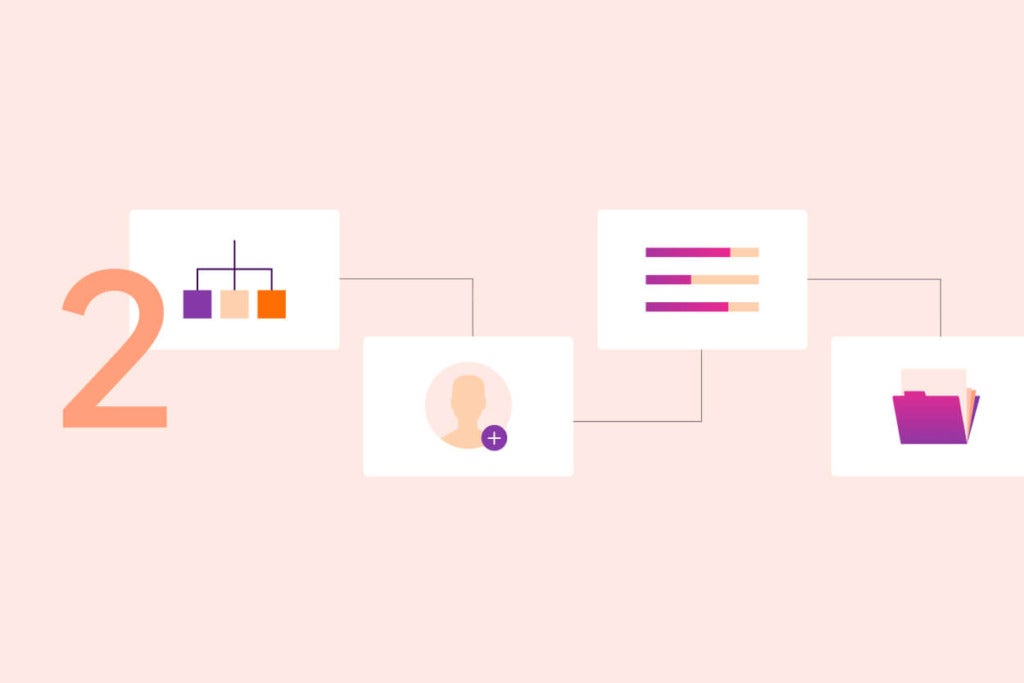
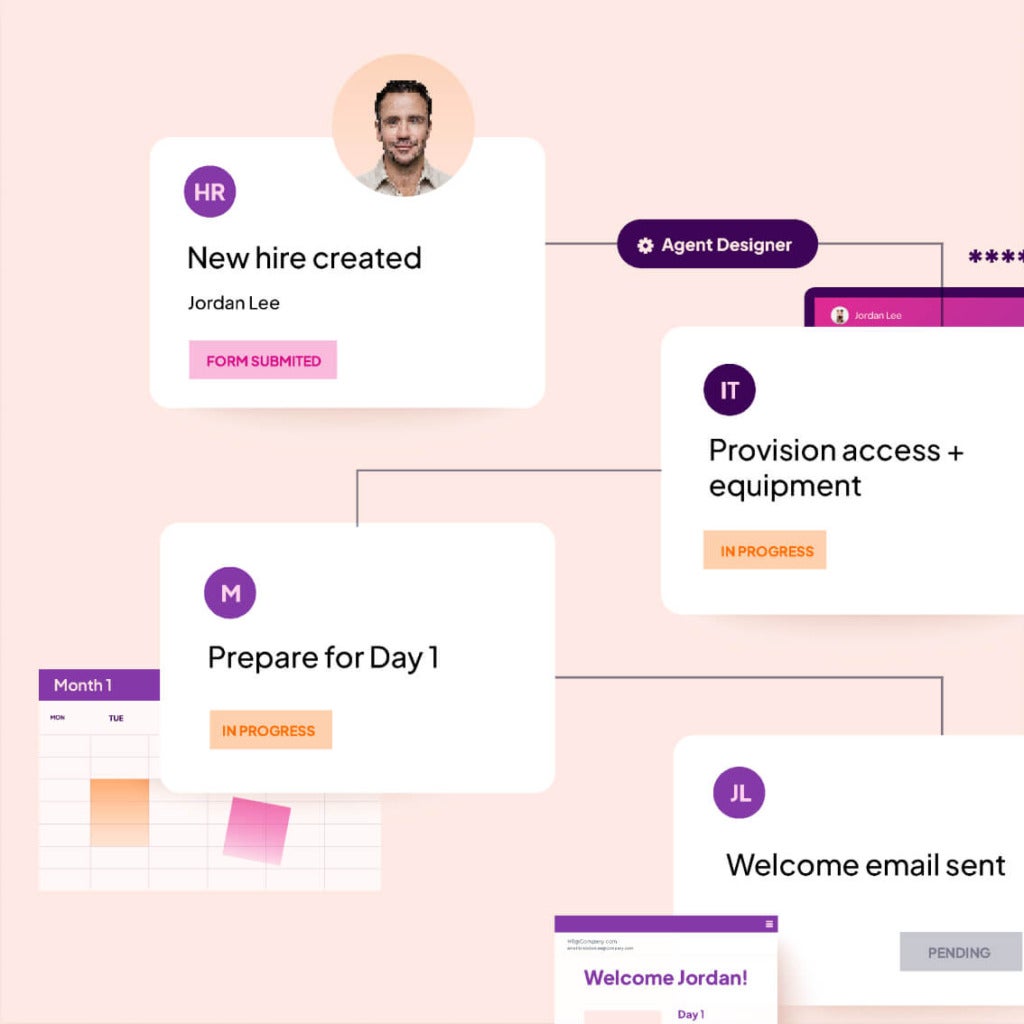
Now, an HR employee fills out a single digital form when a new employee is hired — a task that takes about 10 minutes — and submission automatically triggers the new employee’s account creation, grants hospital access, and populates their user profile. What used to consume hours of IT staff time now happens in one coordinated motion.

That freed-up time goes where it matters most in a hospital system: back to patient care, not paperwork.

purple background pattern

Customer Testimonials

By deploying Nintex, we minimized the time effort, potential for error and frustration that used to be part of getting each new employee to a point of productivity, new employees can get right to work on day one.

Chapter 5

Making the leap from disconnected tasks to a connected experience

Your organization already has the individual pieces of a strong employee experience — HR teams that care, managers who want to get onboarding right, and IT teams capable of provisioning systems quickly. The connection between them is what’s missing.

A connected employee experience doesn’t mean adding steps to an already-long process. It means making the steps you already have talk to each other:

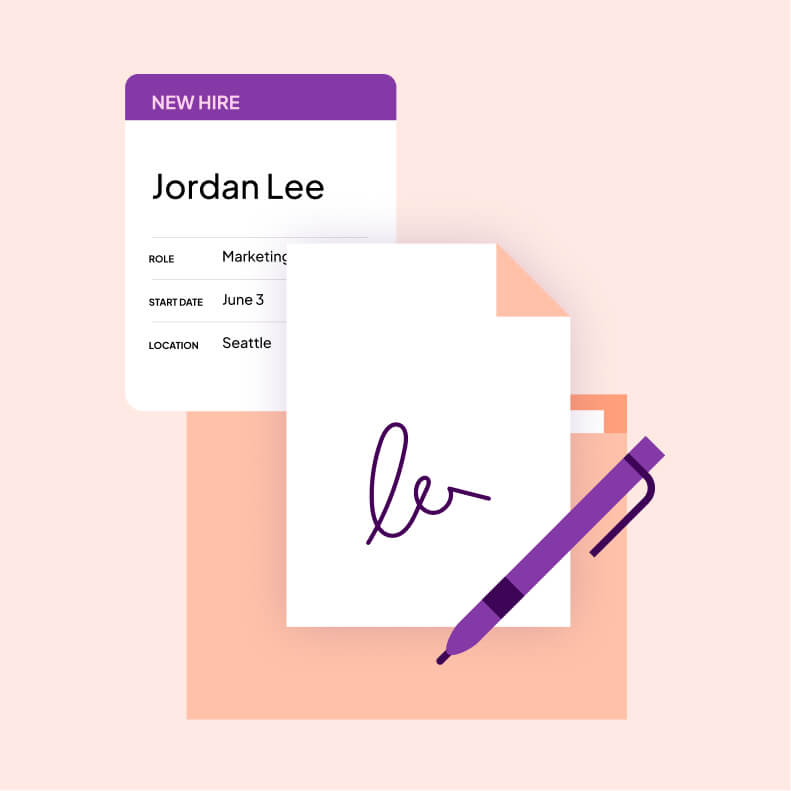
A hire confirmation that automatically triggers document generation, provisioning, and notifications instead of depending on someone remembering to loop in three other departments.

A tenure-long compliance process with a real audit trail, instead of information scattered across email threads.

An offboarding process that closes as cleanly as onboarding opens.

Get that connection right, and the employee experience changes for both your new hires and your organization. New hires feel like they joined an organization that had its act together before they arrived. The teams behind the scenes stop chasing the next disconnected task and start spending their time on the work that matters to their organization and their customers.

Ready to see what a connected employee experience could look like at your organization?

Three professionals in business attire have a discussion around a table. Two women are looking at and interacting with a tablet, while a man listens attentively. The setting appears to be a bright, modern office.

See for yourself

Put Nintex to the test

Because seeing is believing, let us give you a firsthand look at how Nintex can work for you.