Welcome to the automation inflection point
For decades, automation meant doing the same things you were already doing, only faster. Forms went digital, manual handoffs got eliminated, and systems that had never spoken to each other could be seamlessly connected. That meant increased efficiency, decreased risk of error, and an overall better experience across a multitude of business processes.
But with the advent of AI, we’re seeing new possibilities. Rather than just continuing to move faster, we can start expanding the boundaries of what automation means and what it can achieve. Processes that once ground to a halt at the words “human intervention required” are now within reach of true, governed autonomy. So why aren’t we doing it already?
The challenge is that with expanded possibility comes expanded complexity. More systems, more agents, more data, and more expectations require more than automation – they require orchestration. And that changes the strategy for every organization investing in process improvement. Organizations trying to simply layer AI onto fragmented tools aren’t really transforming … they’re just buying into hype.
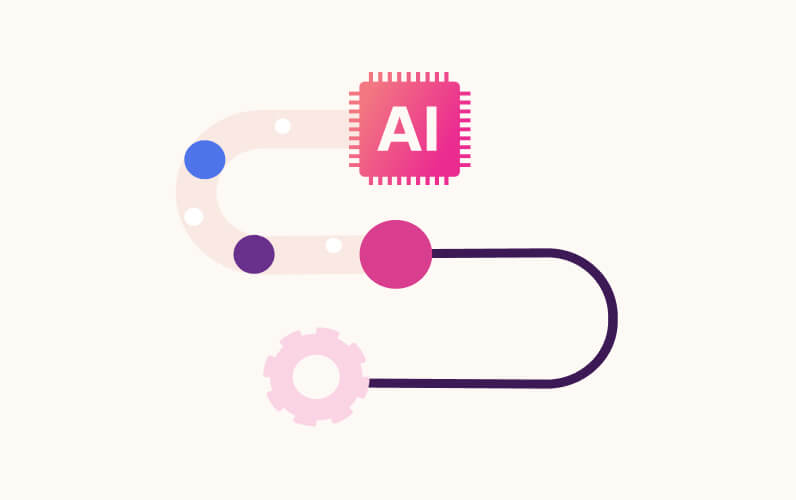
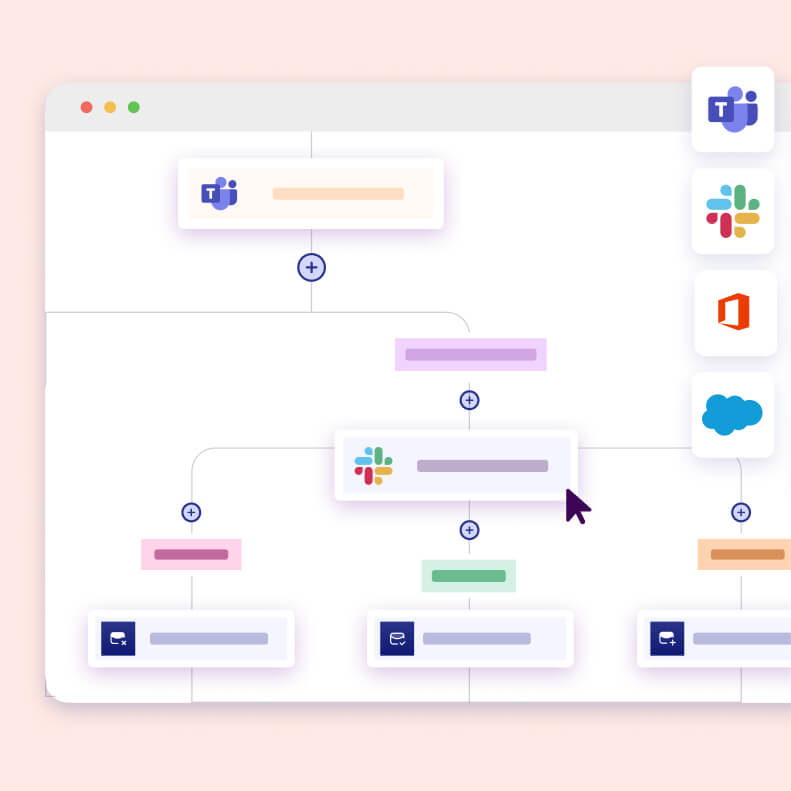
The organizations that will succeed in this new era aren’t those who just automate more, but those who orchestrate differently, connecting agents, people, processes, and systems into coordinated, intelligent architecture.