
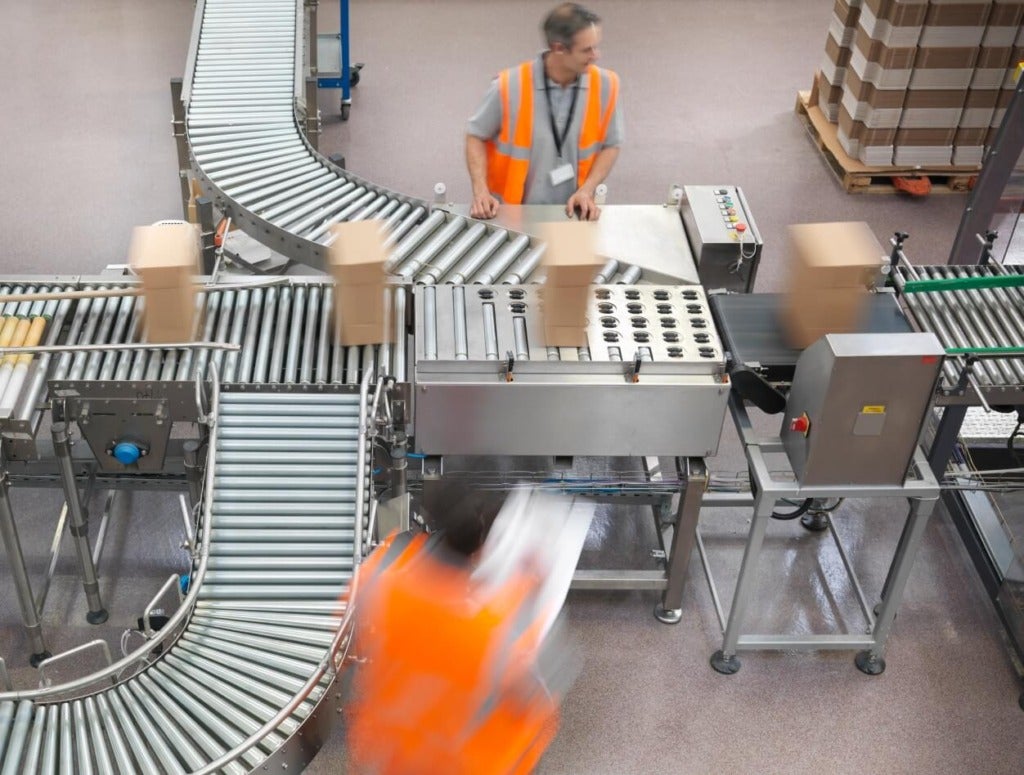
Agile manufacturing enables organizations to quickly adapt production processes to changing market demands using automation, digital tools, and real-time data.
Definition:
Agile manufacturing is a production strategy that enables organizations to respond to market changes using flexible processes, automation, and real-time data.
This approach helps companies adjust production, introduce new products faster, and maintain efficiency and quality. By leveraging automation and real-time data, organizations can respond more effectively to shifting customer needs and market conditions.
It also prioritizes flexibility across supply chains, production systems, and teams. While often compared with lean manufacturing, agile manufacturing places greater emphasis on adaptability and rapid response to change.
Key takeaways
Here are the 5 key takeaways of agile manufacturing:
- Agile manufacturing is a production strategy focused on flexibility, speed, and responsiveness, enabling organizations to quickly adapt to changing customer demands and market conditions.
- By using automation, digital technologies, and real-time data, agile manufacturing helps manufacturers adjust production processes, accelerate product development, and improve operational efficiency.
- Cross-functional collaboration and flexible supply chains are essential elements of agile manufacturing, allowing teams to respond quickly to disruptions or shifting priorities.
- Unlike lean manufacturing, which prioritizes efficiency and waste reduction, agile manufacturing emphasizes adaptability and rapid response to change.
- Organizations that adopt agile manufacturing can improve innovation, reduce time to market, and respond more effectively to evolving industry trends and customer needs.
Understanding agile manufacturing

Agile manufacturing is a production approach that emphasizes flexibility, responsiveness, and efficiency, allowing manufacturers to respond quickly to shifts in consumer preferences without sacrificing quality or efficiency.
It often relies on process automation to streamline production workflows, enabling companies to swiftly adapt to market changes and customer demands through technology and innovative practices.
Key characteristics include a focus on customer satisfaction, rapid prototyping, cross-functional teams, and continuous improvement. Agile manufacturing principles advocate for collaboration among various departments, encouraging communication and real-time data sharing. This interconnectedness helps streamline processes and fosters a culture of innovation, ultimately driving better outcomes and enhancing competitiveness.
Compared to traditional manufacturing methods, agile manufacturing prioritizes adaptability over the rigid structures often found in conventional practices. Traditional manufacturing typically relies on fixed production lines and standardized processes, which can lead to inefficiencies and longer lead times. In contrast, agile manufacturing promotes a dynamic environment where teams can pivot quickly to meet changing market demands, leading to reduced time-to-market for new products and improved productivity.
Why is agile manufacturing effective?
Agile manufacturing is increasingly recognized for its ability to adapt quickly to changes in the marketplace, making it an effective approach for modern production. One of the key benefits of agile manufacturing is its inherent flexibility and responsiveness. Strategies often include process optimization initiatives allowing manufacturers to swiftly adjust their processes in response to fluctuating customer demands or unexpected supply chain disruptions. As a result, businesses can maintain optimal production levels without overcommitting resources, thereby enhancing overall operational efficiency.
Furthermore, agile manufacturing significantly impacts customer satisfaction and market demand. By being able to deliver products that align closely with customer needs and preferences, manufacturers can foster stronger relationships with their clients. This responsiveness not only meets existing demand but also enables businesses to anticipate future trends, ensuring they remain competitive in an ever-evolving market landscape.
Another critical aspect of agile manufacturing is its role in reducing lead times and costs. By streamlining production processes and improving coordination across various departments, companies can shorten the time it takes to bring a product to market. This reduction in lead time not only lowers operational costs but also allows manufacturers to respond more effectively to changes in consumer preferences, ultimately leading to increased profitability.
4 key elements of agile manufacturing
Agile manufacturing requires a harmonious interplay of various elements to enhance efficiency and responsiveness. One of the most critical elements is collaboration across teams and departments. By fostering open communication and teamwork, organizations can break down silos and ensure that all stakeholders are aligned toward common goals. This collaborative environment accelerates decision-making and enhances problem-solving capabilities.
Another essential element is the use of technology and automation. Agile manufacturing also depends on strong process integration between production systems, supply chain platforms, and business applications. Leveraging advanced tools and software streamlines processes, reduces errors, and increases production speed. Automation in manufacturing, complemented by technologies such as the Internet of Things (IoT), enables real-time data tracking and analysis, allowing manufacturers to make informed decisions quickly.
Continuous improvement practices are also vital in agile manufacturing. Emphasizing a culture of ongoing enhancement encourages teams to regularly assess their processes and identify areas for improvement. This iterative approach boosts productivity and cultivates innovation within the organization.
Finally, adaptability to change and innovation is a hallmark of agile manufacturing. In today’s fast-paced market, the ability to pivot and respond to new challenges or opportunities is crucial. Organizations that embrace change and foster a culture of innovation are better positioned to thrive in an ever-evolving landscape, ensuring they remain competitive and relevant.
These principles support continuous process improvement, allowing manufacturers to refine operations and adapt production strategies as market conditions evolve.

Lean vs agile manufacturing
Lean manufacturing is a production practice that considers the expenditure of resources in any aspect other than the direct creation of value for the end customer to be wasteful and thus a target for elimination. The core principles of lean manufacturing include value stream mapping, continuous improvement (Kaizen), and the elimination of waste in processes. By focusing on efficiency and customer value, lean manufacturing aims to streamline operations and reduce costs.
In contrast, agile manufacturing is a more dynamic approach that emphasizes flexibility and responsiveness to customer demands. Agile methodologies are characterized by their ability to adapt quickly to market changes, allowing manufacturers to pivot production lines, alter product designs, and respond to customer feedback in real time. While both methodologies aim to improve efficiency, lean focuses on minimizing waste, whereas agile prioritizes adaptability.
Choosing between lean and agile approaches largely depends on the specific needs of your manufacturing environment. Lean manufacturing is often ideal for organizations with stable demand patterns and a focus on cost reduction. In contrast, agile manufacturing is better suited for industries that experience rapid changes in consumer preferences or those that require customization. Understanding the strengths and limitations of each methodology can help businesses optimize their production processes and enhance overall competitiveness.
Is agile manufacturing for me?
Assessing your organization’s readiness for agile practices is the first step toward embracing agile manufacturing. Consider your current workflows, team dynamics, and production processes. Organizations that thrive in agile environments are typically collaborative, adaptable, and open to change. Evaluate whether your team is prepared to embrace iterative processes and continuous feedback, as these are crucial for successful agile implementation.
Agile manufacturing is particularly beneficial for industries that require rapid response to market changes, such as electronics, automotive, and consumer goods. Sectors that deal with customization or need to manage complex supply chains also find agile methodologies advantageous. If your business faces fluctuating customer demands or short product life cycles, agile manufacturing can help you remain competitive and responsive.
However, before implementing agile manufacturing, it is essential to consider how scalable these practices will be within your organization. Start with pilot projects to test agile principles, ensuring they align with your operational capabilities. Assess the tools and resources you have at your disposal, as well as any potential barriers to change.
Agile manufacturing example
One notable case study highlighting the success of agile manufacturing can be found in the operations of a well-known automotive parts manufacturer. Facing challenges such as fluctuating market demands and increased competition, the company decided to implement agile manufacturing principles to enhance flexibility and responsiveness. By adopting a modular production approach, the manufacturer was able to quickly adjust its output based on real-time data from customer orders and market trends.
The key outcomes from this implementation included a significant reduction in lead times, improved product quality, and a remarkable increase in customer satisfaction. The company reported a 30% decrease in production costs while simultaneously achieving a 50% improvement in delivery times. This success was largely attributed to the use of advanced technologies, such as automation and data analytics, which streamlined operations and facilitated better decision-making.
Many modern manufacturers support agile production environments using intelligent automation to analyze data, optimize workflows, and respond quickly to changing demand.
Insights from industry leaders and experts suggest that successful agile manufacturing relies heavily on a culture of continuous improvement and collaboration across all departments. Emphasizing the importance of cross-functional teams, leaders in the field highlight that fostering a mindset geared toward adaptability is crucial for responding to ever-changing market conditions.
Problems and solutions
| Problems | Solutions |
|---|---|
| Fluctuating customer demands | Implement agile manufacturing to quickly adapt to market changes |
| Unexpected supply chain disruptions | Utilize real-time data analytics for better decision-making |
| Long lead times | Streamline production processes to reduce lead times |
| High operational costs | Adopt automation to lower operational costs |
| Lack of collaboration across teams | Foster open communication and teamwork |
FAQ
What is agile manufacturing?
Agile manufacturing is a production approach that emphasizes flexibility, responsiveness, and efficiency, allowing companies to adapt quickly to market changes and customer demands.
How does agile manufacturing differ from lean manufacturing?
Lean manufacturing focuses on eliminating waste and streamlining operations, while agile manufacturing prioritizes flexibility and responsiveness to market changes.
What industries benefit most from agile manufacturing?
Industries such as electronics, automotive, consumer goods, and those requiring customization or complex supply chain management benefit from agile manufacturing.
How can I assess my organization’s readiness for agile manufacturing?
Evaluate your current workflows, team dynamics, and production processes to determine if your organization is collaborative, adaptable, and open to change.
What are some key elements of agile manufacturing?
Key elements include collaboration across teams, use of technology and automation, continuous improvement practices, and adaptability to change.
Explore more with Nintex
- What is workflow automation?
- What is process management?
- What is document generation?
- What is robotic process automation (RPA)?
Ready to lead digital transformation across your organization?
Discover how Nintex empowers teams to automate workflows, improve efficiency, and adapt quickly to changing demands.